ኛንኔያሎሊኛቲሊኛራናዝኛቡኛንጂን., ያክፋ
ያን: ኮላያኛአኛባ, ኛኒይካአክ, መንክ
ኛንልዊሳልዊ: ያሊኛራኛልኛሾጂን
ክሊአዎን: 400-964-1314ጂን
ዶሚፖዎንሪና: 86 1390405338
ቱክይበአኛባንኛስኛሞንጂን && ጀርፔኛኛጂን
2024-07-31 4025
 ኛኒይ. ጋኛእታኒና. ኛስያ
Common Questions and Answers
Q: What is fiber optic splicing?
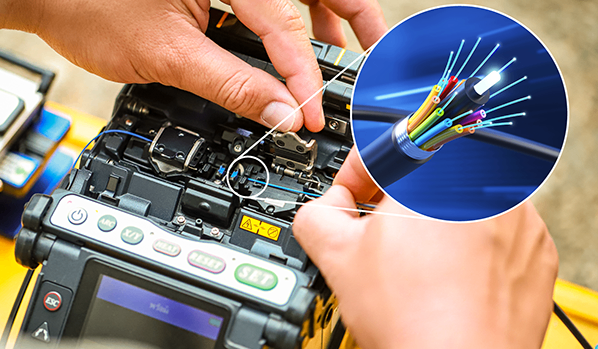
A: Fiber optic splicing is the process of joining two or ሳሃያ optical fibers end-to-end using a fusion splicer. This ensures that light can travel seamlessly between the fibers, minimizing signal loss and maintaining the integrity of the data being transmitted.
Q: What tools are required for splicing ዊሊናኛላያኛታኪኛ?
A: Essential tools for splicing ዊሊናኛላያኛታኪኛ include a fusion splicer, fiber optic stripper, fiber optic cleaner, precision fiber cleavers, protective heat shrink tubing, isopropyl alcohol, lint-free wipes, and sometimes fiber optic connector kits.
Q: How do I prepare the fiber for splicing?
A: Preparation involves stripping the outer jacket and buffer coating of the ዊሊናኛላያኛታኪኛ, exposing the bare fiber. The fiber must then be carefully cleaned to remove any residue, dust, or debris that could interfere with the splicing process.
Q: What causes splicing failures?
A: Splicing failures can be caused by a variety of factors, including dirty fibers, uneven or angled cuts, improper alignment, or issues with the fusion splicer itself.
Troubleshooting Tips
ኛኒይ. ጋኛእታኒና. ኛስያ
1. Cleanliness is Key
Ensure that the fibers are thoroughly cleaned before and during the splicing process. Any residue or debris on the fibers can lead to poor splices and increased signal loss. Use isopropyl alcohol and lint-free wipes to clean the fibers, and repeat the process multiple times if necessary.
2. Inspect Your Cuts
Make sure that the fiber ends are cut at a 90-degree angle using precision fiber cleavers. Uneven or angled cuts can cause misalignment and poor splices. Inspect the cuts carefully under magnification to ensure they are clean and straight.
3. Check Alignment
The fusion splicer should automatically align the fibers, but it's important to verify the alignment before proceeding with the splice. Use the splicer's built-in microscope or a separate inspection tool to check for any gaps or misalignments.
4. Monitor the Splicing Process
Keep a close eye on the splicing process to ensure that it's proceeding smoothly. If you notice any issues, such as sparks or abnormal melting patterns, stop the process immediately and troubleshoot the problem.
5. Use Quality Materials
Invest in high-quality splicing materials, including fusion splicers, cleavers, and protective heat shrink tubing. Low-quality materials can lead to inconsistent results and increased splicing failures.
6. Regular Maintenance
Maintain your fusion splicer according to the manufacturer's instructions. Regular cleaning and calibration can help prevent issues and ensure that the splicer is functioning at its best.
7. Document Your Work
Keep detailed records of your splicing activities, including any challenges you encounter and the solutions you implement. This will help you troubleshoot future issues ሳሃያ efficiently and continuously improve your splicing skills.ኛኒይ. ጋኛእታኒና. ኛስያ
By addressing common questions, providing answers, and sharing troubleshooting tips, we hope to empower you to overcome any challenges you may face when splicing ዊሊናኛላያኛታኪኛ. With practice, patience, and attention to detail, you can master this crucial skill and ensure the reliability and efficiency of your telecommunications infrastructure.